For 13 years, we’ve been helping clients from all over the world. Over this time, we’ve received countless positive reviews about our personal approach to renting in Italy!



Buying Property in Italy: A Complete 2025 Guide for Foreign Buyers Can Foreigners Buy Property in Italy? Yes. If you’re wondering whether buying property in Italy is possible for foreigners, the answer is absolutely yes. Italy does not restrict non-residents from owning real estate—whether you’re from the US, Canada, UK, Russia, CIS or most other countries. There are only light nuances: for some non-EU countries, the “reciprocity rule” applies; the buying process goes through a notary and a series of mandatory checks; taxes and property maintenance may differ from what you’re used to. But overall, buying property in Italy is straightforward when approached correctly. 1. Do You Need a Residence Permit to Buy Property? No, you don’t. You can purchase: an apartment, a seafront house, a Tuscan farmhouse, commercial property, or renovation land. Important: Ownership does not grant residency automatically, but it can support certain residency paths, such as Elective Residence or Investor Visa. 2. How the Italian Real Estate Market Really Works Italy is very different from other countries: • Up to 40% of deals happen off-market Meaning: properties are sold privately, the listings never reach public portals, buyers are invited through consultants only. This is especially common in premium segments — Italians value privacy. • Many buildings are historic Houses from the 1800s–1900s are normal here.They are charming but require: strict restoration approvals, architectural compliance checks, confirmation from heritage authorities. Due diligence is non-negotiable. • Enormous regional differences Milan — fast, expensive, investment-oriented. Rome — ancient properties, complex documentation. Puglia, Calabria — surprisingly affordable. Tuscany, Como — luxury and high competition. Apartment price in Italy 2025-2026: real prices by region 3. How the Buying Process Works (Step-by-Step) 1. Property Search In Italy you need an agent and a technical expert (geometra) to verify: cadastral history, building plans, potential violations, past renovations. 2. Proposta d’acquisto A written offer with a small deposit (5–10k €). 3. Compromesso The preliminary contract.Here you pay 10–30% of the price.If the seller backs out — they must pay you double the deposit. 4. Final act at the notary Only the notary (notaio) can legally finalize the deal. 5. Registration Within 1–3 weeks you become the official owner. 4. Taxes & Annual Costs (Accurate for 2025) Purchase taxes: 2% — if the property becomes your primary residence (with residency). 9% — if it’s a second home. IVA 4–22% — for properties bought from developers. Yearly expenses: IMU (property tax): 0.5–1.1% TARI (waste tax): 200–500 € Condominium fees: 40–250 € monthly depending on services. Family Business in Italy 2025: How to Start Without Losing Your Sanity 5. The Safest Property Types to Buy • Newly built Class A homes Energy-efficient, fewer risks. • Historical homes with pre-approved renovation permits Save months of bureaucracy. • Tenanted apartments with existing rental income Perfect for investors. 6. Is Buying Property in Italy “Cheap”? Yes and no. 1. The €1 houses are not really €1 Reality: renovation costs 80–200k €, strict deadlines, penalties for delays. Great PR, but not ideal for beginners. 2. The South is cheaper — but requires serious checks Many homes have multiple owners, inheritance complications or undocumented renovations. 3. Budget-friendly apartments (40–70k €) DO exist In: Abruzzo Umbria Piedmont inland Liguria But documents must be reviewed carefully. Real estate investments in Italy in 2025: top 5 regions 7. Buying Property in Italy as an Investment Top strategies for 2025: • Short-term tourist rentals ROI: 5–12%Cities: Milan, Florence, Verona, Venice (with restrictions) • Seasonal coastal rentals ROI: 4–10% • Long-term rentals for students & expats Milan is the top performer here. 8. How Italiatut Helps Buyers • Access to off-market listings We receive private offers unavailable online. • Full technical due diligence Our geometers review: plans, structural issues, past violations, building history. • Complete legal verification Debts, liens, shared ownership, inheritance issues. • Negotiations with the seller Italian sellers often expect negotiation —prices commonly drop by 5–15% with the right approach. • Assistance with notary arrangements & residency options Lake Como Attractions: The Complete Guide to Italy’s 9. A Practical Tip from Italiatut If you’re at the stage of wondering whether buying property in Italy is possible, the best next step is a consultation.You’ll learn: which regions match your goals, what hidden costs to expect, how to avoid common errors foreign buyers make, which properties are safest and most profitable. Looking for a trustworthy expert to guide your purchase?Reach out to Italiatut — we’ll help you find, verify and buy property in Italy safely, including off-market opportunities.
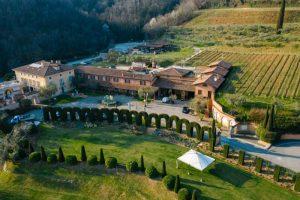
Buy Vineyard Italy: Complete Guide to Italian Winery Investment Dreaming of owning sun-drenched vineyards in Italy? With over 400 DOP/DOCG wine zones, Italy offers exceptional opportunities to buy vineyard Italy that combine lifestyle passion with solid investment returns. Why Buy Vineyard in Italy? Market Advantages 2nd largest wine producer globally after France DOCG/DOC controlled designation areas guarantee quality 35% export growth to US/Asian markets (2020-2024) Average land appreciation: 5-7% annually Top Regions to Buy Vineyard Italy Tuscany 🏆 Premium Choice Price/ha: €250,000-600,000 Famous for: Brunello di Montalcino, Chianti Classico Best for: Luxury wine production & wine tourism Piedmont 🥈 Collector’s Choice Price/ha: €200,000-450,000 Famous for: Barolo, Barbaresco Best for: Aged wines & restaurant distribution Sicily 💰 Value Investment Price/ha: €80,000-150,000 Famous for: Nero d’Avola, Etna wines Best for: Organic production & new wineries Legal Process to Buy Vineyard Italy Step 1: Due Diligence (2-3 months) Land registry verification (Catasto) DOC/DOCG status confirmation Water rights and planting permissions Historical production audits Family Business in Italy 2025: How to Start Without Losing Your Sanity 2: Purchase Agreement (1 month) Preliminary contract (Compromesso) 10-30% deposit payment Contingency period for final checks 3: Final Transfer (1-2 months) Notary deed (Rogito Notarile) Balance payment Registration in Land Registry Investment Costs Breakdown Expense Type Average Cost Land Purchase €300,000-800,000 Winery Equipment €100,000-250,000 DOCG Certification €5,000-15,000 Legal & Notary 3-5% of purchase First Year Operations €50,000-100,000 Success Story: American Investor in Montalcino Background: Tech entrepreneur from California Investment: €1.2M (2019) 4ha vineyard with historic farmhouse Complete renovation and modern cantina Results (2024): Annual revenue: €400,000 Wine tourism: 45% of income Property value: €2.1M Key Considerations Before You Buy ✅ Must-Check Items Soil analysis and microclimate study Water rights and irrigation systems Existing contracts with distributors EU agricultural subsidies eligibility ❌ Common Pitfalls Inherited family disputes on property Missing DOCG certification documents Underground archaeological restrictions Incorrect land classification How much does it cost to live in Italy in 2025-2026: the real budget for one person and family by region Financing Options Italian agricultural loans (Agevolazioni) EU rural development funds Private banking for non-residents Partnership with existing wineries Our Services to Buy Vineyard Italy Italiatut provides end-to-end support: 🔍 Vineyard Selection Personalized property matching Soil and climate analysis Production potential assessment ⚖️ Legal Assistance Full due diligence Contract negotiation DOCG certification transfer 📊 Business Planning Investment ROI analysis Marketing strategy development Management team recruitment Ready to start your Italian vineyard journey? [Get Personalized Consultation] → Receive curated properties matching your criteria *Italiatut has helped 47 international clients acquire vineyards across Italy since 2015. From initial search to first harvest – we’re with you every step of the way.*

Family Business in Italy 2025: How to Start Without Losing Your Sanity Italy is basically a living museum of small businesses. Cafés, bakeries, wine bars, artisan shops — they’re everywhere. And in 2025, the government is pushing hard to support new ventures: simplified tax regimes, startup grants, even residency options for entrepreneurs. Sounds dreamy, right? Reality check: bureaucracy, rent, and taxes. But if you’ve got patience and passion, Italy rewards you. Step-by-step: how to start a family business in Italy 2025 Get your Codice Fiscale — the Italian tax ID. Without it, nothing moves. Open a Partita IVA — the Italian version of a sole proprietorship. Choose your business form: Sole trader (easy start, but limited protection). SRL (limited liability company). Cooperative (popular for family-run ventures). Register with the Chamber of Commerce. Mandatory. Pick a tax regime. The Forfettario scheme is gold: 15% flat tax, or even 5% for new businesses in the first years. Taxes and costs Corporate tax (IRES): 24%. VAT (IVA): 22% (lower for food). Social contributions: unavoidable, even for small shops. Startup costs? Expect €10,000–€30,000 for a modest café or boutique. Rent alone can eat half your budget in big cities. Subsidies and perks in 2025 Italy isn’t just red tape. There are perks: Grants for innovative startups. Subsidies for agritourism and eco-projects. Tax breaks for new residents. Real stories from the ground Bakery in Bologna. Family opened a shop with traditional recipes. First months = chaos: inspections, neighbor complaints. Now? Lines out the door. Wine bar in Milan. Mistake: renting in the city center. Rent swallowed profits. Lesson learned — pick a location with soul, not just a postcard view. Agritourism in Tuscany. A farmhouse turned into guest rooms with wine tastings. Authenticity sells. Pitfalls to watch out for Rent. Tourist hotspots are brutally expensive. Seasonality. Summer = crowds, winter = tumbleweeds. Family dynamics. Working with relatives is both strength and headache. What works in Italy Authenticity. Locals and tourists sniff out fake fast. Honest food and service. No shortcuts. Online presence. Even a tiny bakery needs Instagram. Franchises. For those who want a safer, pre-built model. Conclusion Starting a family business in Italy 2025 is not a sprint. It’s a marathon with paperwork hurdles, tax checkpoints, and emotional ups and downs. But if you’re in it for the long run — with passion, patience, and a bit of grit — Italy can be the perfect stage for your dream.
