The Italian education system: not a copy, but an independent model
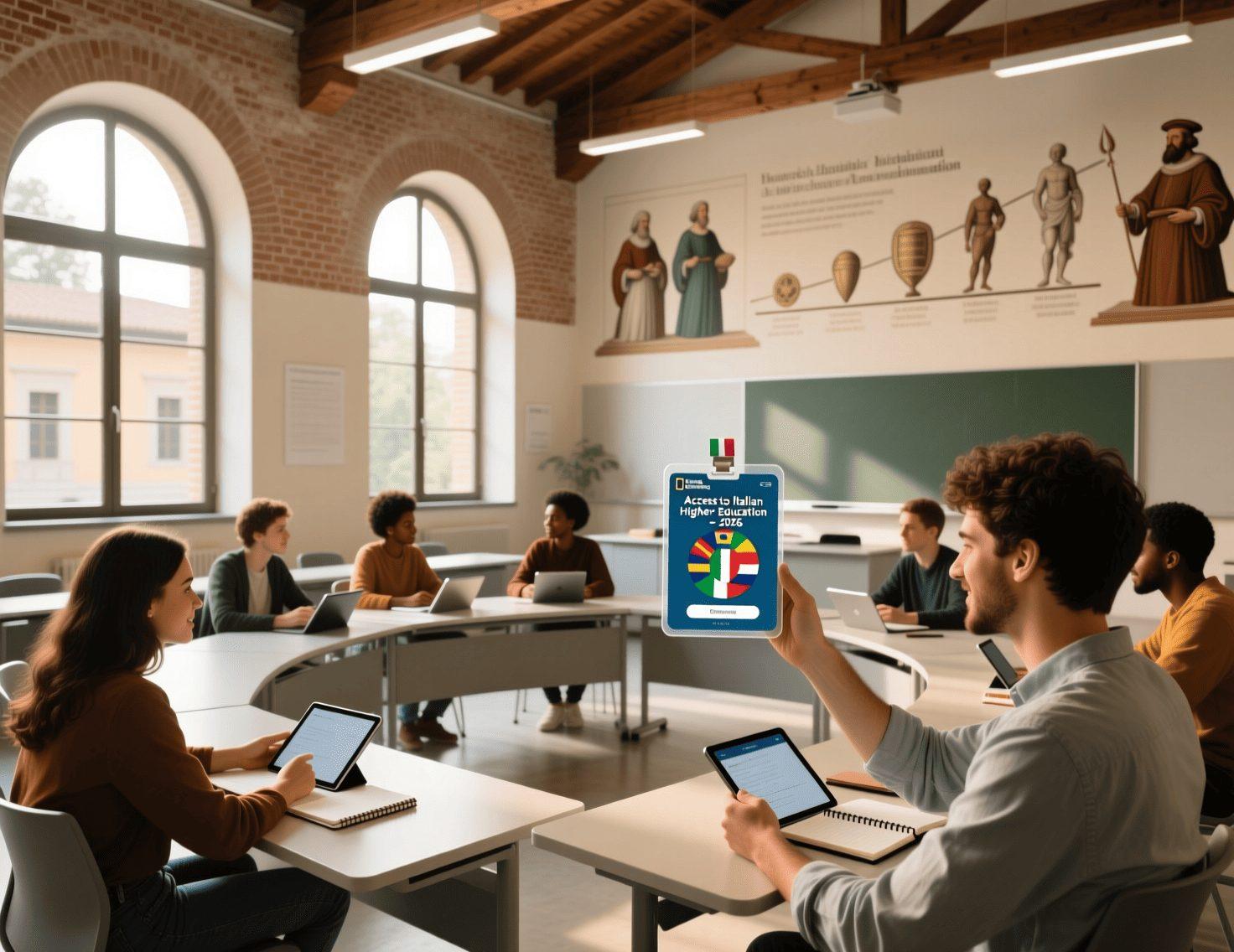
The Italian education system is one of the oldest in Europe, but it remains flexible and adaptive. In 2026, it retains the traditional three-stage structure, but is actively implementing elements of a competency-based approach and digitalization. For foreigners, the system may seem unusual: not only grades are important here, but also independence, the ability to work with sources and conduct a discussion. Below are no simplifications, just the working details.
How the Italian education system works today
1. Scuola dell’infanzia — kindergarten (3-6 years old), optional, but attendance is above 95%.
2. Scuola primaria — primary school (6-11 years old), compulsory, without grades in the first two years.
3. Scuola secondaria di primo grado — secondary school (11-14 years old), ends with the esame di Stato exam.
4. Scuola secondaria di secondo grado — high school (14-19 years old), 5 types: lyceum, technical school, vocational school, etc.
5. Università e Alta Formazione — higher and postgraduate education, including master’s and doctoral studies.
Important: the transition between levels is not automatic — it requires passing final exams and applying to a specific educational institution.
→ Help with admission to an Italian university — Italiatut
How does the Italian education system differ from the Russian one?
– No rigid connection to the district: you can apply to any school, even in another city.
– The profile is selected at the age of 14, and it is difficult to change it later without losing a year.
– Exams are given not by tickets, but by topics: the student forms the answer himself, relying on sources.
– Teachers do not give a zero for being late, but they lower the score for lack of argumentation in their work.
It is especially difficult for foreigners to provide oral defense — even in technical specialties, it is required to clearly formulate a thought and answer improvised questions.
How to log in if you arrive in 2025-2026
– Children under the age of 14 can be enrolled in school at their place of residence without exams.
– Teenagers aged 14-18 are tested in Italian, mathematics and logic to determine their level.
– Adults entering the university must confirm 12 years of study and pass entrance exams if necessary.
— Accoglienza courses are available for all ages – adaptation programs with language and cultural support.
In 2025, the Ministry of Education expanded the Integrazione 26 program to include not only language classes, but also psychological support for teenagers.
→ Language courses in Italy for everyone from Italiatut
How to avoid the most common mistakes during adaptation
1. Do not translate school grades directly: “8” in Italy is “good”, not “satisfactory”.
2. Do not ignore the colloqui con i docenti meetings — communication with teachers is critical for understanding a child’s progress.
3. Do not give up potenziamento — additional classes in weak subjects offered for free.
4. Don’t skimp on an Italian tutor for the first 6-12 months — academic language is more difficult than everyday language.
What does the Italian education system provide after graduation
– The maturità diploma grants the right to enroll in any EU university without entrance exams (except medicine and architecture).
– Graduates of professional schools can immediately enter the labor market with a Qualifica qualification certificate.
– Participation in Alternanza Scuola-Lavoro projects (study + practice) is counted towards employment with partner companies.
– Students with high scores receive priority in the allocation of EDISU scholarships.
For those who want to “try on” life in the country before moving, the GIDtut team offers author programs in Italian cities.
If you consider the Italian education system as a path for your child or yourself, write to us on Telegram.
The Italian education system is not a template.
It is a space for growth where not only knowledge is valued, but also the ability to think.
And we know how to help you enter it — confidently and without losses.