Italian atmosphere: not an interior style, but a way of life
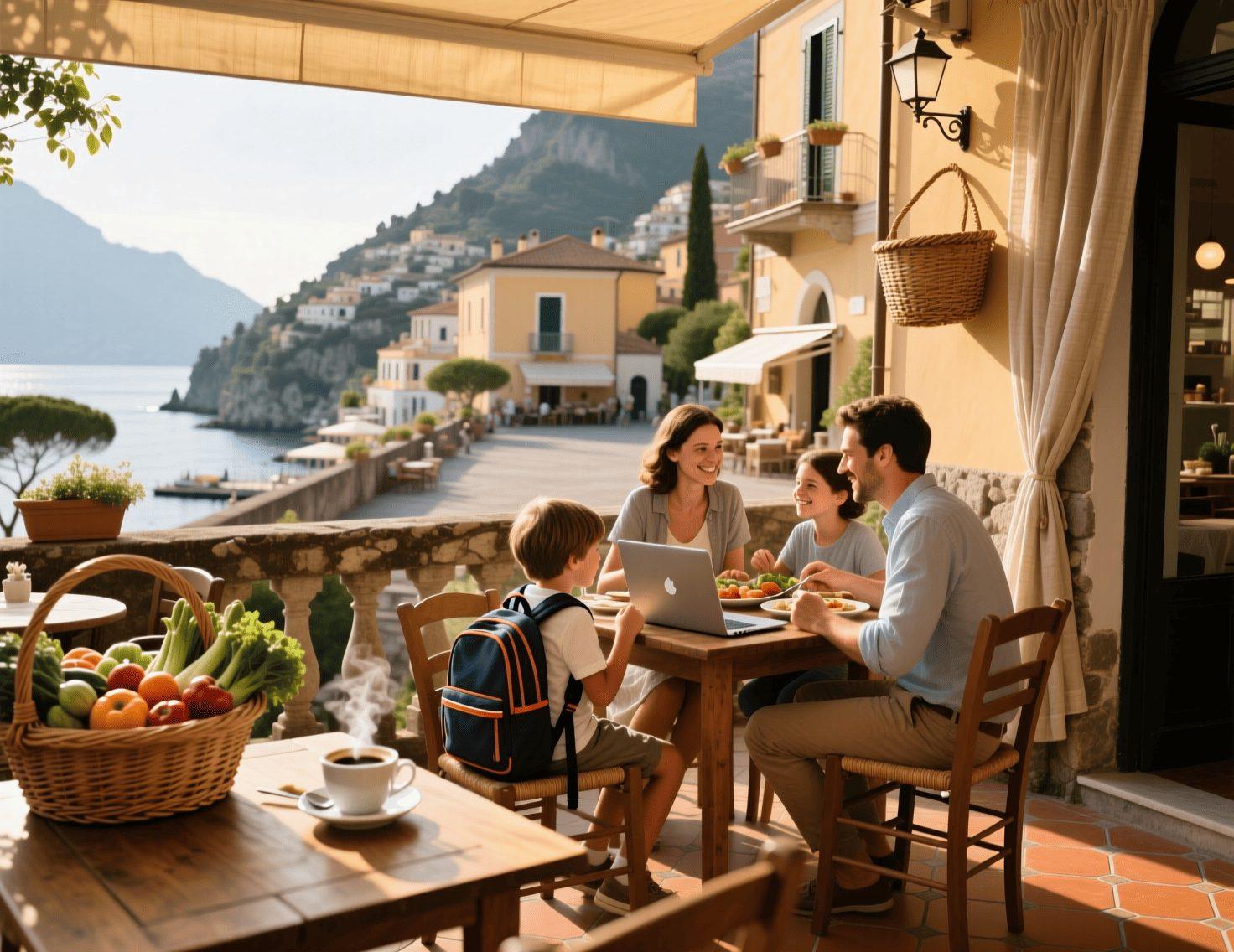
The Italian atmosphere is a concept often used in marketing, but rarely understood in everyday life. This is not a coffee with a view of the Colosseum or a photo at the Trevi Fountain. This is the rhythm of the day, in which the morning begins with a conversation at the shop, and the evening begins with an aperitif on the square without music or scenes.
In 2026, you can find such an atmosphere, but only if you know where to look — and what influences it.
What creates an authentic Italian atmosphere in 2025-2026
– The presence of local life in the historical center: if the square is empty after 19:00, it is a museum, not a city.
– There are no chain cafes and shops on the main streets — only family trattorias and craft workshops.
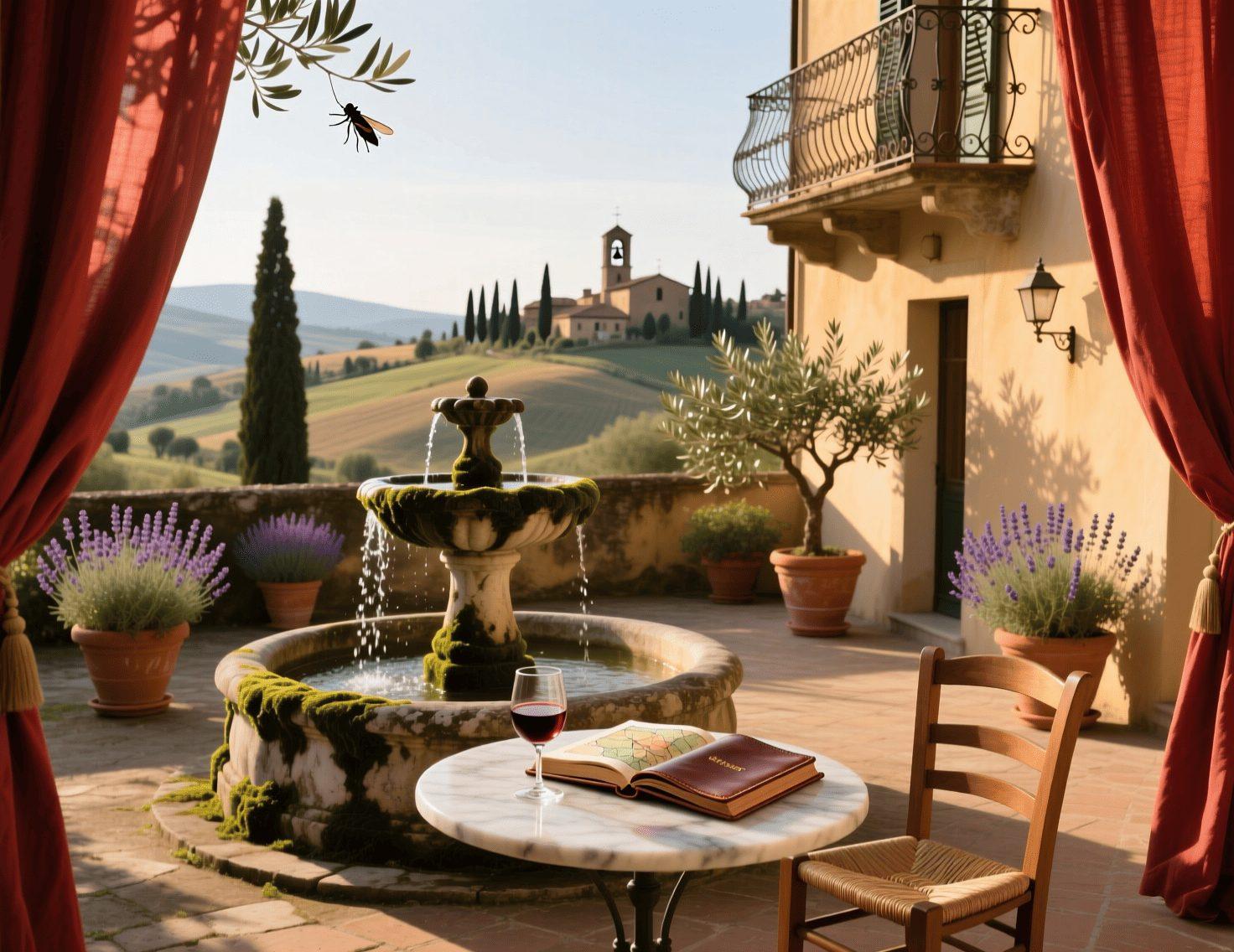
– Architecture without the “restoration gloss”: cracked plaster, old signs, balconies with linen — signs of a living place.
– Local vocabulary: the use of dialect words, even in conversation with foreigners, speaks of a preserved identity.
The atmosphere is not created in a day. It is the result of generations, stable traditions and resistance to globalization.
→ Help in choosing a place to live in Italy — Italiatut
Where else does the Italian atmosphere live in 2026
– In Termoli (Molise), a port town where fishermen unload their catch in the morning directly on lungomare.
– In Montecatini Terme (Tuscany) — not for the sake of the spa, but because of the old pavilions where pensioners play cards under chestnut trees.
– In Gallatina (Puglia) — where the Notte della Taranta takes place in July, but without a stage — only streets, drums and dancing old men.
– In Cutro (Calabria), where the Festa dei Serpari rite of carrying live snakes to church is still preserved.
There are no shows “for tourists” in these places. What you see is what happens every year, regardless of the presence of guests.
→ For those who want to see such Italy, the Italiatut team can develop a unique individual route.
How not to confuse the atmosphere with imitation
– If there are “barkers” with menus in three languages in front of the cafe entrance, this is a signal.
– If all the shops sell the same souvenirs (magnets, T—shirts, olive soap), the area is focused on the flow.
– If private security guards patrol the streets in the evening, life is displaced, only commercial outlets remain.
– If the bar does not serve aperitivo without a mandatory food order, it is for tourists, not for locals.
The authentic Italian atmosphere is quiet. It doesn’t shout about itself, doesn’t take pictures in stories, and doesn’t require hashtags.
How to keep the Italian atmosphere after moving
– Do not strive to live in the center of “popular” cities — choose suburbs with an active social life.
– Learn the basic dialect of the region — even the phrase “buongiorno, come va?”, spoken with a local accent, changes the attitude.
– Participate in sagre — not as a spectator, but as a customer at the farmer’s counter.
– Avoid exotic foods in stores — eat what is eaten around: poulenta in Veneto, pitta in Calabria, farinata in Liguria.
The atmosphere is not in where you live, but in how you integrate into the life around you.
→ Support for adaptation in Italy — Italiatut
If you dream of not just seeing, but getting used to the Italian atmosphere, do not start by looking for a place to live. Start by understanding: how it works, where it lives, and how to approach it without upsetting the delicate balance.
Write to us on Telegram to receive any turnkey transfer service to Italy!
The Italian atmosphere is closer than it seems!