Rome what to see: Beyond the Colosseum and the Vatican
Rome what to see is a question that most people answer using a template: the Colosseum, the Vatican, the Trevi Fountain. But the real Rome is not hidden in the tourist charts, but in quiet neighborhoods where life goes on as usual. In 2026, more and more travelers are choosing conscious routes — for the sake of the depth of impressions, not the number of points. Below are seven locations that are rarely mentioned, but which are remembered for a long time.
Trastevere without crowds: morning instead of evening
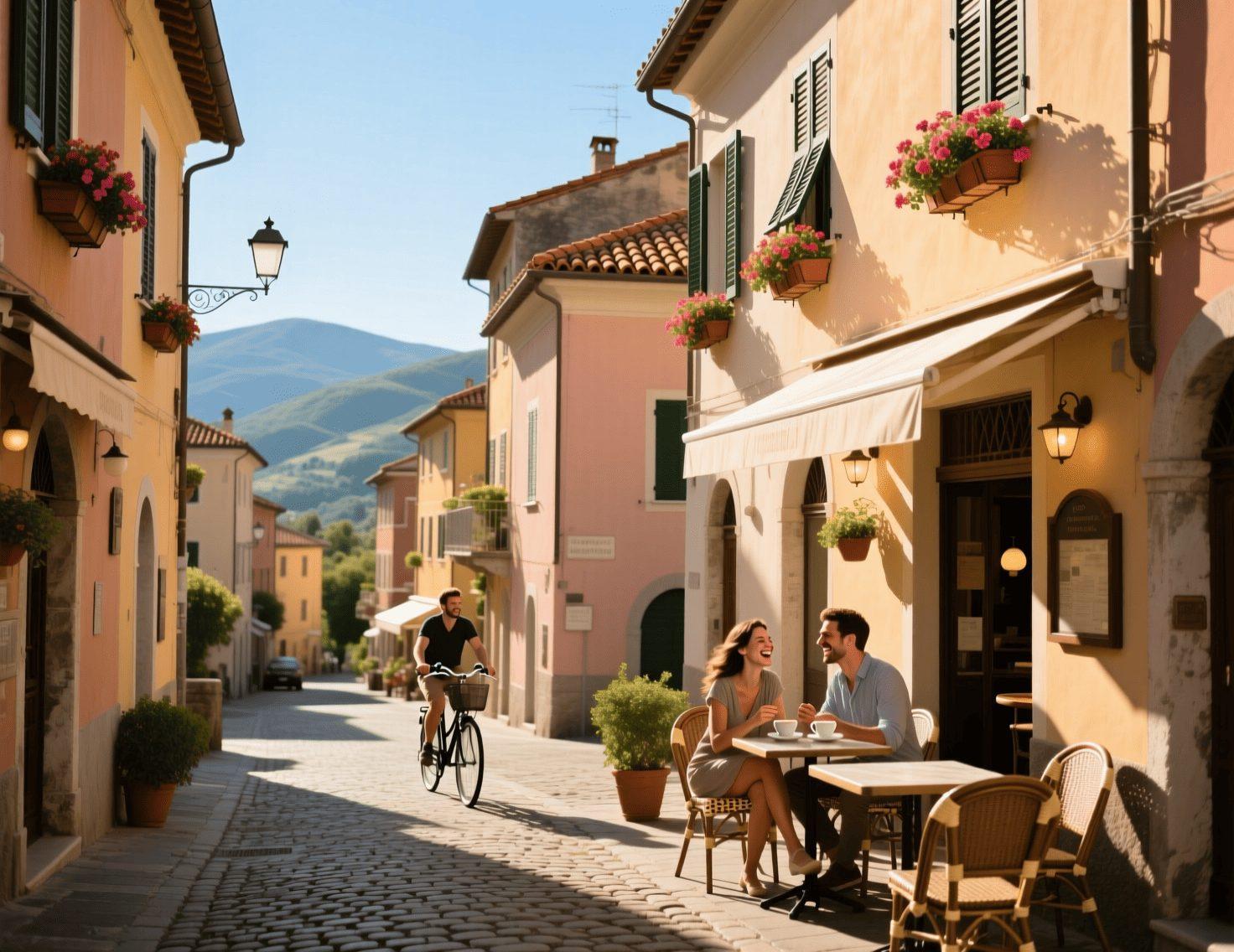
– Come to Trastevere not in the evening, but at 8:00 a.m. — there are no tourists yet and only local bars are open.
– Have breakfast at Bar del Fico — cappuccino 1,20 €, croissant is fresh, the barista will tell you how to live in the area of 20 years.
– Walk along Vicolo del Cinque to Piazza di Santa Maria while the square is empty.
– Take a look at the church of Santa Cecilia, a 9th—century mosaic and a quiet chapel with the relics of the saint.
→ Order the development of an individual route from Italiatut specialists.
Testaccio Quarter: where the Romans eat
– This is not a tourist area — families have been living here, butchers and bakers have been working since the 1950s.
– Visit the Mercato di Testaccio market — tasting of supplì and porchetta.
– Climb Monte dei Cocci, a hill of 53 million amphora shards left over from Roman imports.
– For lunch, go to Felice a Testaccio, the best cacio e pepe in town.
→ Assistance in drawing up a gastronomic itinerary — Italiatut
Villa Farnesina: Raphael without queues
– Just 10 minutes from Piazza Navona, but without the crowds of the Vatican.
– Here Raphael painted the Galatea loggia in 1512 — without restoration, in its original color.
– Admission is 10 €, e—tickets are available online, waiting at the ticket office is no more than 5 minutes.
– There are orange trees in the garden, planted back in the 16th century.
– Please note: the villa is open until 19:00, but after 17:30 there are almost no visitors.
Via Appia outside the city: Ancient and quiet Rome
– Walk along the Via Appia Antica section from Porta San Sebastiano to Catacombe di San Callisto.
– There are no buses here — only pedestrians, cyclists and olive groves.
– In Chiesa del Domine Quo Vadis there is a copy of the footprints of Christ left on the stone.
– In Forno dei Cesari, you can try pizza bianca according to a recipe from the time of the emperors.
Garbatella Quarter: Rome of the XX century
– Built in the 1920s as a “garden city” for workers, with courtyards, wells and internal stairs.
– Piazza Damiano Sauli hosts a farmers’ market on Tuesdays with cheeses and vegetables from the owners.
– Biblioteca Franco Basaglia has an archive of photographs of the area from the 1930s, available for free.
– Cafe Garbatella prepares maritozzo with whipped cream.
San Lorenzo: Student Rome without glamour
– Here they study at La Sapienza, play football in the square and discuss politics in bars.
– Pastificio Cerere has a former pasta factory, now an art center with exhibitions of young artists.
– In Bar San Lorenzo — an aperitif for € 5 with unlimited snacks, without tourist surcharges.
– On Thursdays — mercato notturno at Piazza dell’Immacolata: vintage, vinyl, street food.
How to plan a route without mistakes
– Do not try to see more than three locations in a day — Rome does not require speed, but attention.
– Choose a base area for your stay — preferably Trastevere, San Lorenzo or Testaccio.
– Avoid visiting the Vatican and the Colosseum on Saturday and Sunday — queues of up to 2 hours.
– Book tickets online 2-3 weeks in advance — especially for the Vatican Museums and the underground Colosseum.
For those who want not just to see Rome, but to experience it, the GIDtut team creates special programs.
If you don’t know what to see in Rome to suit your style, write to us on Telegram.
We will prepare a personal itinerary for you: for any period, taking into account your interests — history, food, architecture, photography.
Rome is not a list of attractions.
It’s the rhythm, the smell of coffee, and conversations in Italian without translation.
And we know how to help you enter it — quietly, confidently and without haste.